Sunday, November 16, 2014

Origami

Hello everyone! :)


Today, I prepared for you a short article on the Japanese art of origami, in other words- paper folding.
Origami, Ori-folding, and Kami-paper, is the traditional art of paper folding formed in China and evolved in Japan. The main goal of this art is to transform a square piece of paper in the finished sculpture through folding and bending of the same paper.  The origins of origami are not exactly known, but it's dated to the period 905-1125 AD during the reign of the Sung Dynasty. At the beginning they created dishes, boats and hats made of paper, but later also appeared  animals and flowers forms.
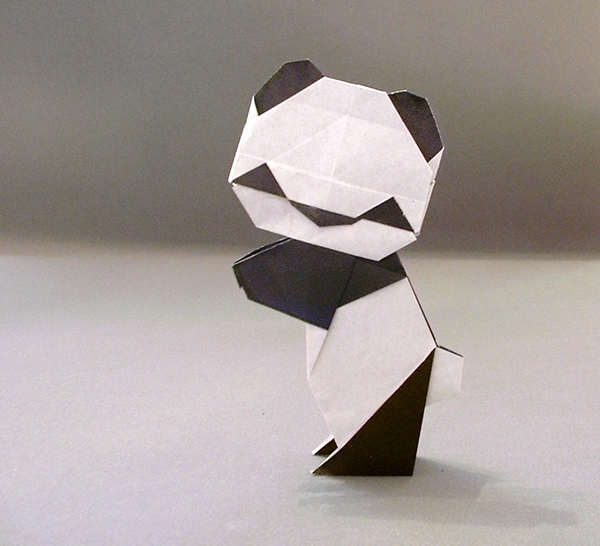

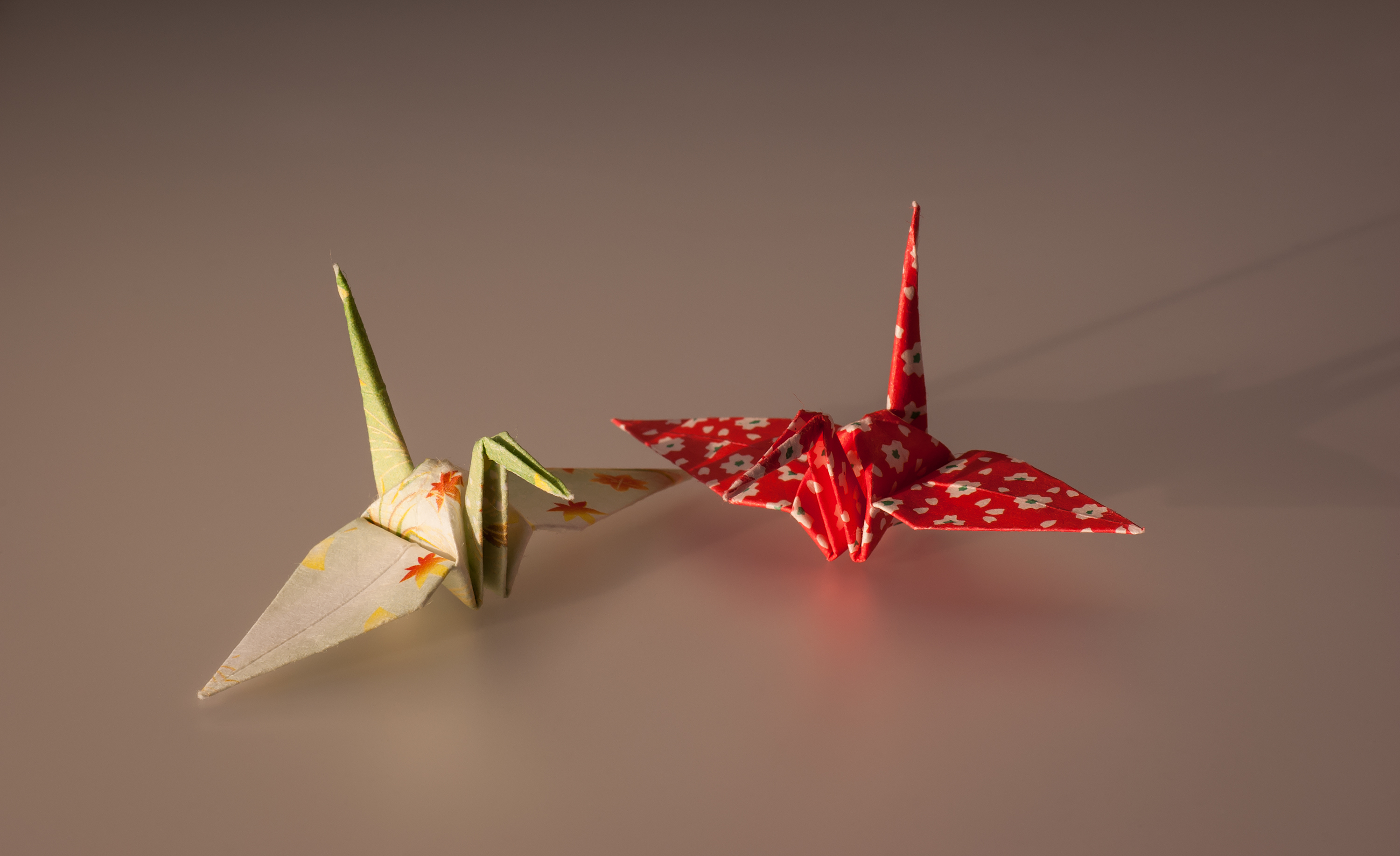
Origami technique was popularized outside Japan in the mid-19th century and since then it has evolved into a modern art. It's important to know that bonding and paper cutting is not permitted. The most popular sculpture of orgiami is a crane. ->
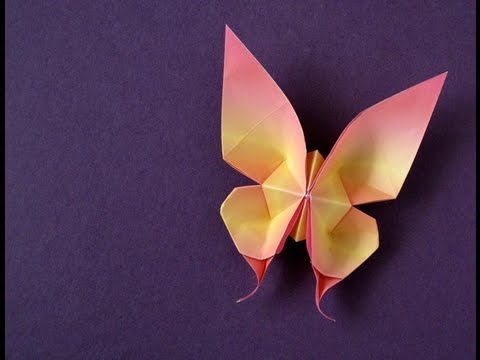
In Japan, the first recorded reference on Origami is in the poem by Ihara Saikaku in 1680, which describes paper butterflies in a dream. Paper butterflies were used during the celebration of Shinto weddings to represent the newlyweds, so folding paper already had a significant role in Japanese ceremonies during the Heian period (794-1185).
 Akira Yoshizawa is responsible for a number of innovations in the art of origami, such as wet folding and Yoshizawa-Randlett created diagram system that describes step by step how to make origami model. Many origami books describes basics origami techniques which are used to construct models such as valley or mountain folds. Standard square origami paper has a size of 2.5cm to 25cm and more. Typically, one side is coloured and the other one is white. There are also double coloured sheets with different colors or patterns, which are used for different color models. It is widely accepted that to creation of origami models are not used any tools. However, for more complex forms of Origami helpful may be clips, bone folders that help making sharp bends, and pliers to perform very small bends.

Thank you for reading the post and see you soon!:D


Tuesday, November 11, 2014

Eating in Japan! :)


~~TIME FOR YUM-YUM! ~~
  • Meals in the Japanese menus are one of the main reasons for my fascination for this country :). Japanese people love not only the delicate and balanced taste of food but above all the immaculate appearance of dishes. Each dish is served in the way to remind small masterpiece but also it is the custom to use only the best quality and freshest ones and take care of the ingredients. Like everything else in Japan food is treated with great respect and during the meal, it is important to remember about many rules of good behavior. However, in order to discuss Japanese food habits certainly one book wouldn't be enough.

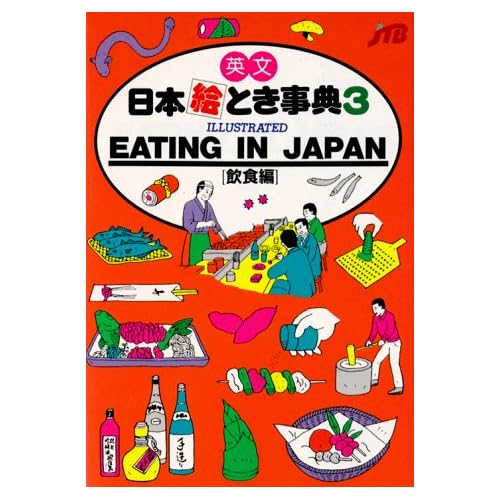
  • Today I would like to mention only a few of the hundreds of Japanese dishes. In that will help me my culinary experience from travels, previously acquired knowledge and book of inconspicuous appearance named Eating in Japan :
  • It is characteristic for Japanese cuisine to  use of various types of fish and seafood. It is true that while being in Japan, you can also eat meat, but beef and poultry are relatively expensive and served in small portions, that can not satisfy the European stomach ;). For those who can not survive without meat I recommend the pork - tonkatsu, a kind of pork chops breaded, which is a cheap and popular dish. Spite of everything I am in favor of trying the local delicacies from the sea.
  • It is also worth to know that in Japan there are many restaurants that specialize in only one type of food and although it is difficult to imagine today, they enjoy nondecreasing popularity. Those Japanese restaurants are marked by "ya" and so, for example, we have: Sushi-ya, a restaurant specializing in sushi, or Soba-ya, specializing in soba noodles.
~~ ** ~~


  • Two soups without whose it is difficult to imagine Japan is certainly a traditional miso-shiru and ramen, which recipe came from China. Miso-shiru is a soup, eaten in Japan almost every day in addition to meals (including breakfast). It is made on the basis of the "dashi" with many other components, depending on the region and personal taste.
The second one, ramen consists of chicken soup, pasta and other ingredients depending on the recipe. Ramen differs from traditional Japanese soup that comprises meat, while traditionally in Japan you add primarily fish and vegetables.


I think that everyone ever heard of the Japanese pride, which enjoys great popularity - sushi. Sushi is composed of cooked rice, seasoned rice vinegar and various additions in the form of mostly raw: seafood, seaweed nori, pieces of fish, vegetables, mushrooms and eggs. There are many varieties of sushi among them the most popular: hosomaki, futomaki, uramaki, temaki, nigiri, chirashi, or inari. Sushi is served with soy sauce, wasabi and pickled ginger. Here we go with some examples :


  • I also decided to mention in today's post about takoyaki, teriyaki and tempura but in the near future I will continue this thread about Japanese food and I will add a few another type of meals.
  • Takoyaki- It is prepared from dough and octopus and served in the form of balls. They are really tasty believe me! :)
  • Teriyaki- it's method of roasting or grilling meat or fish marinated in a special called tare.

  • Tempura was brought to Japan by Portuguese missionaries in the sixteenth century. To prepare it is used among others : fish, shrimp, squid, mussels, mushrooms, vegetables. They are breaded and deep fried.

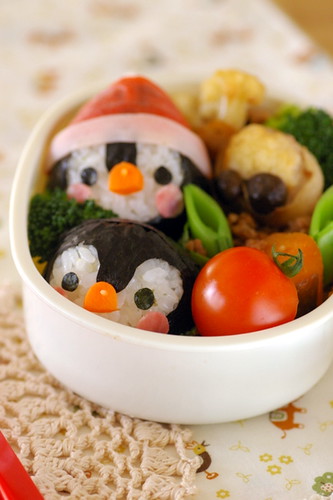
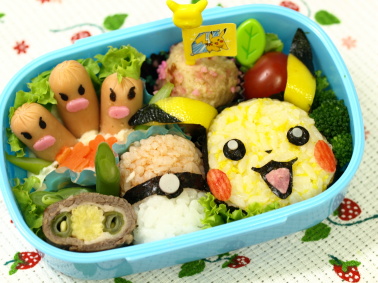
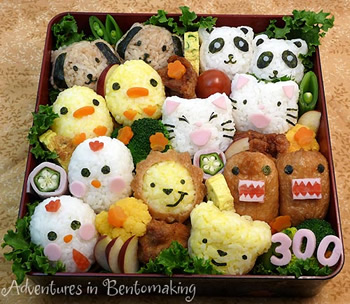
  • At the end I add couple pictures of bentou - traditional Japanese lunch sets that are taken to school or work :) there will be the traditional one and the more unusual ones too, so enjoy it! :)


See you! ;)